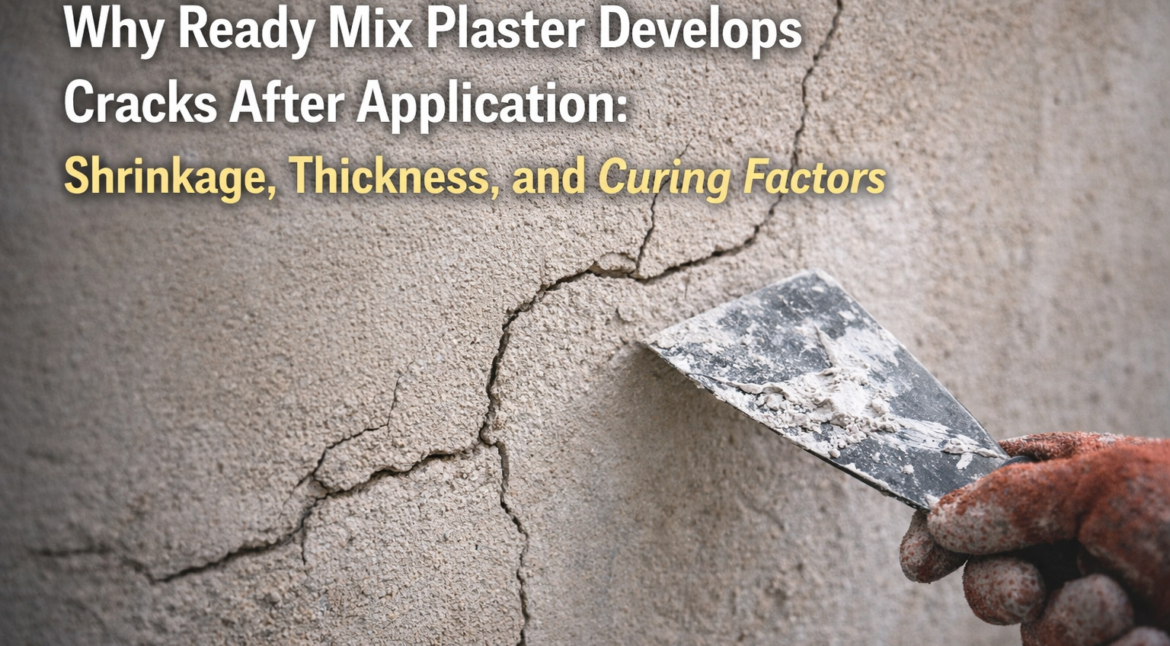



Why Tile Grout Cracks in Floor Joints: Movement, Joint Width, and Installation Errors Cracked grout lines are one of the most common complaints in floor tiling projects. A newly finished surface may look perfect on day one, but after a few weeks or months, grout joints begin to show hairline…
Concrete Admixtures for Precast Elements: Strength Gain, Surface Finish, and Demoulding Speed Precast concrete manufacturing is all about consistency, speed, and quality. Unlike site concrete, precast elements are produced in controlled environments where early strength, surface finish, and faster demoulding directly affect productivity and cost. A small delay in strength…
Why Cementitious Grouts Crack or Shrink After Placement: Mix Design and Curing Factors Grouting looks simple on paper: mix, pour, and allow it to gain strength. But on real sites, grouts often behave differently. Cracks appear around base plates, shrinkage gaps form under machinery foundations, and anchor bolts loosen because…
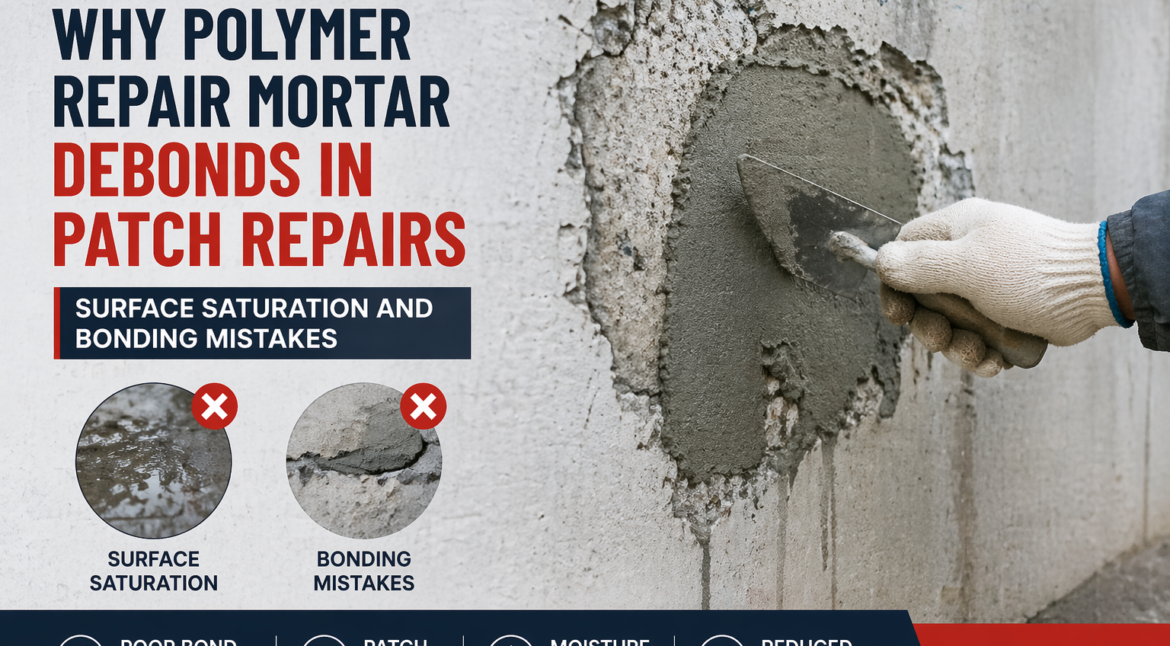
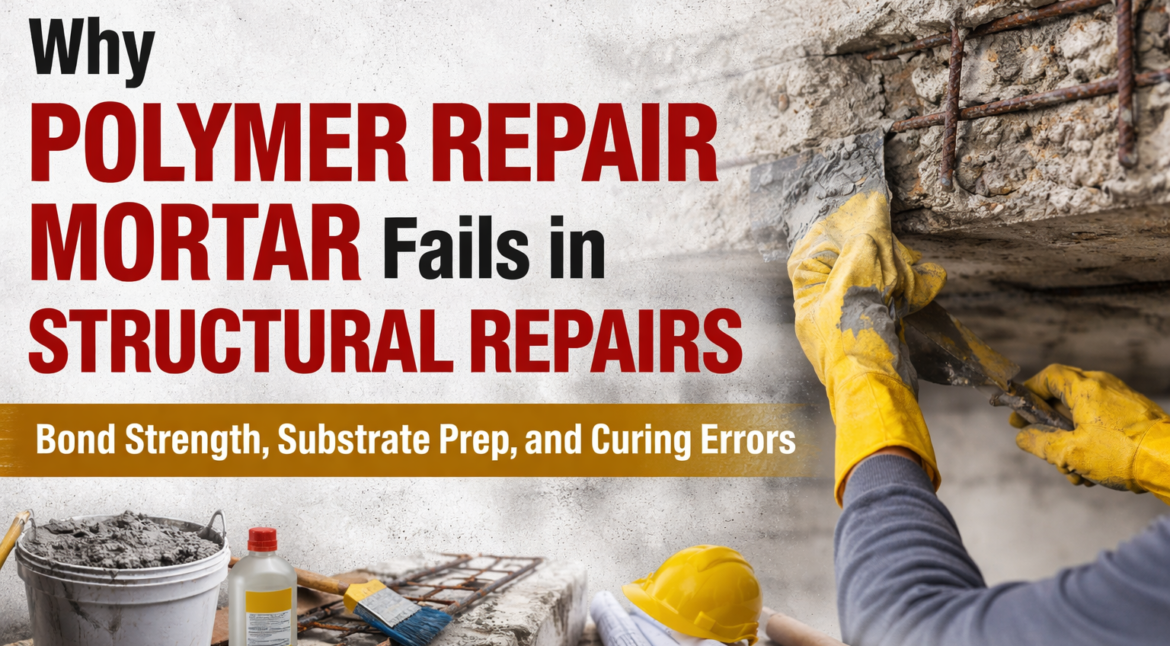
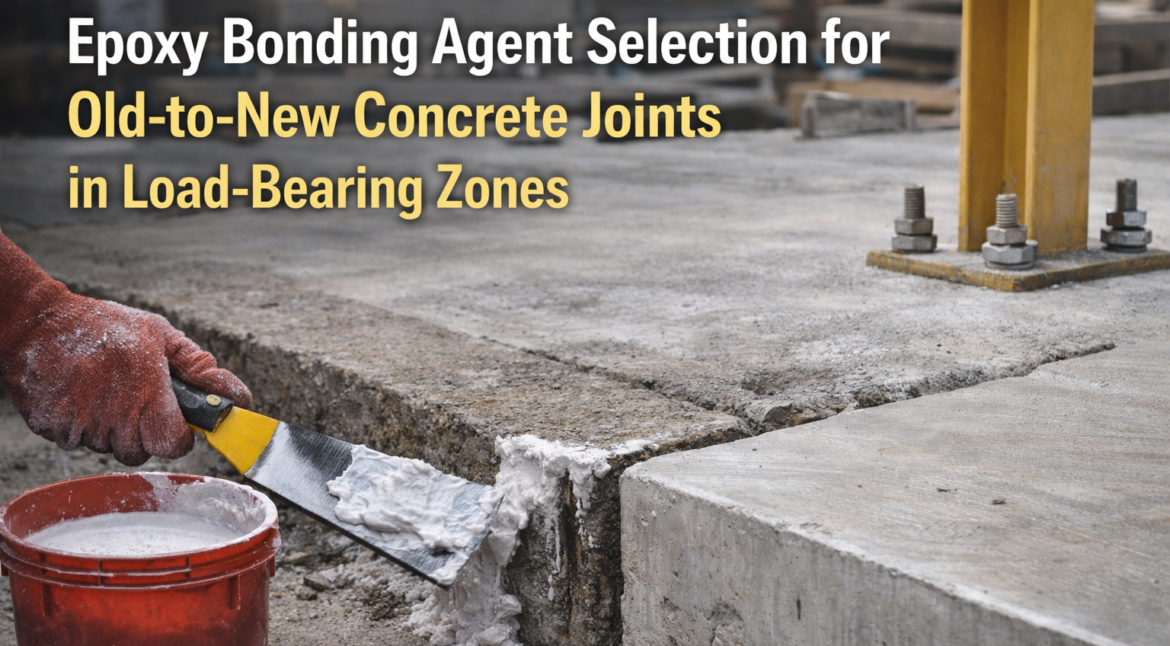
Why Concrete Bonding Agents Fail in Repairs: Surface Prep Errors and Bond-Line Weakness Concrete repairs are expected to restore strength, durability, and service life. Yet on many sites, repair patches debond within months, plaster layers peel off, or new concrete overlays separate from old substrates. In most of these failures,…
Waterproofing Chemical Selection for Roofs, Basements, and Wet Areas: A Practical Comparison Leakage is one of the most expensive construction problems to fix after completion. Roof slabs develop damp patches, basements show seepage lines, and bathrooms or balconies start leaking into lower floors. In most failed projects, waterproofing materials were…
Why Protective Coatings Fail on Steel Structures: Corrosion, Surface Prep, and Film Build Errors Steel structures are designed to serve for decades. Yet in real projects, we often see rust bleeding through paint, coating flakes falling off beams, corroded handrails, and industrial frames requiring repainting far earlier than expected. In…
Chemical Resistance in Epoxy Paints: Why It Matters and How to Select the Best Option In factories, commercial kitchens, basements, swimming pools, and water tanks, paint failure is rarely about appearance. It is about chemical exposure. Oils, acids, detergents, salts, and cleaning agents slowly attack ordinary coatings, leading to peeling,…
When Tile Grout Fails in Wet Areas: Real Causes and Long-Term Fixes Bathrooms with stained joints, balconies showing cracked grout lines, and swimming pools where grout starts washing out are common real-site problems. In most of these cases, the issue is not with the tiles themselves, but with the tile…
Choosing Enamel Primer Based on Exposure Conditions: Indoor, Outdoor, and Industrial Environments Selecting the right enamel primer is one of the most difficult decisions to make in any coating system. In many cases, paint failures such as peeling, rusting, or premature breakdown are not caused by the enamel paint itself,…
Industrial Enamel Paint: Uses, Benefits, and How to Choose the Right Enamel Paint for Industrial Applications Industrial environments demand coatings that do more than just look good. Surfaces are constantly exposed to abrasion, moisture, chemicals, heat, and mechanical stress. In such conditions, selecting the right enamel paint becomes critical for…
Selecting Wall Tile Adhesive for Gypsum, Plaster, and AAC Block Substrates Introduction Selecting the right wall tile adhesive goes far beyond choosing a brand or matching it to tile size. The real challenge lies in understanding the nature of the substrate — because each surface, whether it’s gypsum, plaster, or…
Stone Installation Challenges: Why Specialized Stone Tile Adhesive Prevents Staining and Debonding Installing natural stones such as marble, granite, and quartz gives spaces a premium and timeless appeal. But while these materials enhance aesthetics, they also bring serious installation challenges. Many projects in India experience stone discoloration, efflorescence, or tile…